Between Baroque palaces, prosciutto, and golden light

Parma – Where elegance tastes like tradition

In Parma, elegance doesn’t shout — it flows.
It lives in the soft pastels of historic façades, in the echo of footsteps under porticoes, in the scent of butter and cheese that drifts from open kitchens.
The city moves with grace, even in stillness.
This is a place where beauty is not spectacle — it’s atmosphere.

Here, culture and cuisine go hand in hand — both delicate, both bold.
You walk through frescoed theatres and quiet cloisters, and you taste centuries of tradition in a single slice of prosciutto.
Parma has long been a cradle of music, art, and craft — and today, it holds the title of UNESCO Creative City of Gastronomy, a recognition that reflects not only what it serves on the table, but how it lives its heritage every day.

To explore Parma is to learn the art of detail.
You listen more closely.
You walk more slowly.
You pay attention — because here, every gesture holds history, and every flavor tells a story.

Parma doesn’t compete for your attention.
It rewards your presence — with silence, light, and grace.

Your Way to Parma

How can Hoop On take you to Parma?

A smooth passage through flavor, harmony, and quiet beauty

Parma is not just on the way — it is the way.
With Hoop On, you arrive in Parma along two routes:
via the Purple Line, coming from Verona through the cultured landscapes of northern Emilia;
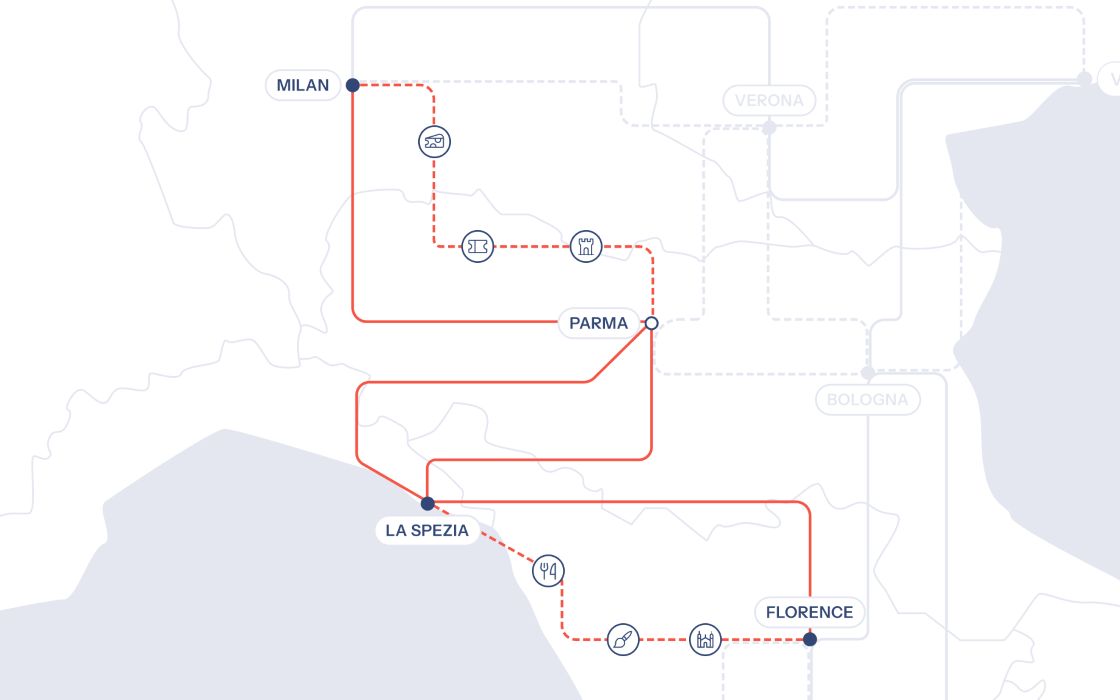
or via the Red Line, connecting Milan and Florence, where Parma offers a soulful pause between metropolitan energy and Renaissance wonder.

This is the homeland of Parmigiano Reggiano and Prosciutto di Parma — flavors that don’t just belong to the table, but to the land, to memory, to identity.
It’s a city shaped by quiet art, timeless recipes, and music that still echoes in theatres and piazzas.

Hoop On brings you here not with urgency, but with intention.
Because arriving in Parma means more than reaching a destination —
it means stepping into a living tradition of grace, depth, and taste.

Parma Highlights

Where beauty doesn’t ask for attention — but stays with you

Parma is made of balance: between silence and music, flavor and architecture, intimacy and depth.
It’s not a city that tries to impress you — it’s one that slowly opens, one step, one breath, one detail at a time.

Walk slowly, and you’ll begin to feel it: in the warmth of stone walls, in the rhythm of a quiet street, in the soft pause between bells.
Here, the beauty isn’t loud — it lingers.
And long after you leave, something stays with you: a light, a taste, a kind of grace.

Here are a few moments you may carry with you long after you’ve gone:
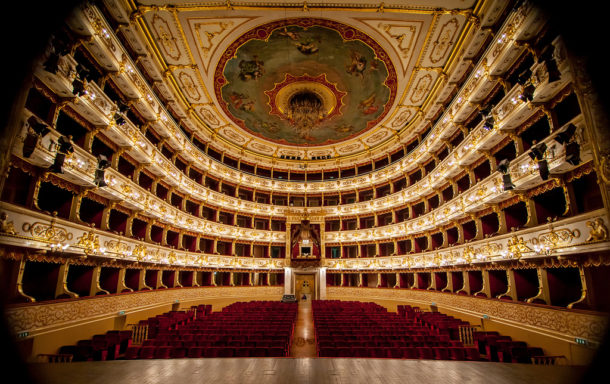
Nothing is loud. Everything is lasting.
Hearing silence in Teatro Regio

Even when the stage is empty, the theatre speaks.
Its red velvet seats, golden balconies, and perfect proportions hold centuries of breath, of voices rising, of endings that felt like beginnings.

You step inside and feel it immediately — the hush, the anticipation, the presence of music even in silence.
You don’t need a show.
The room itself performs — softly, but completely.

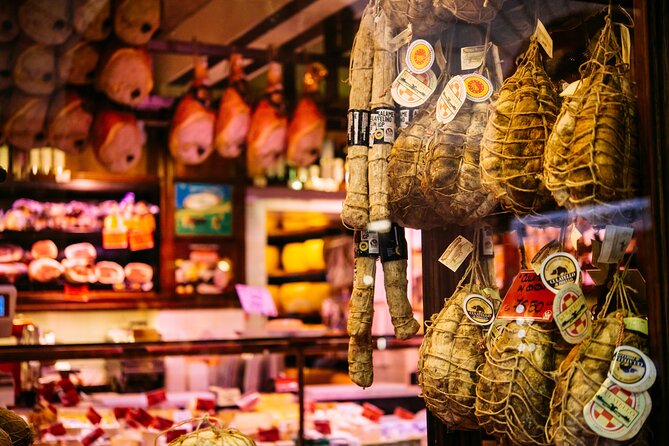
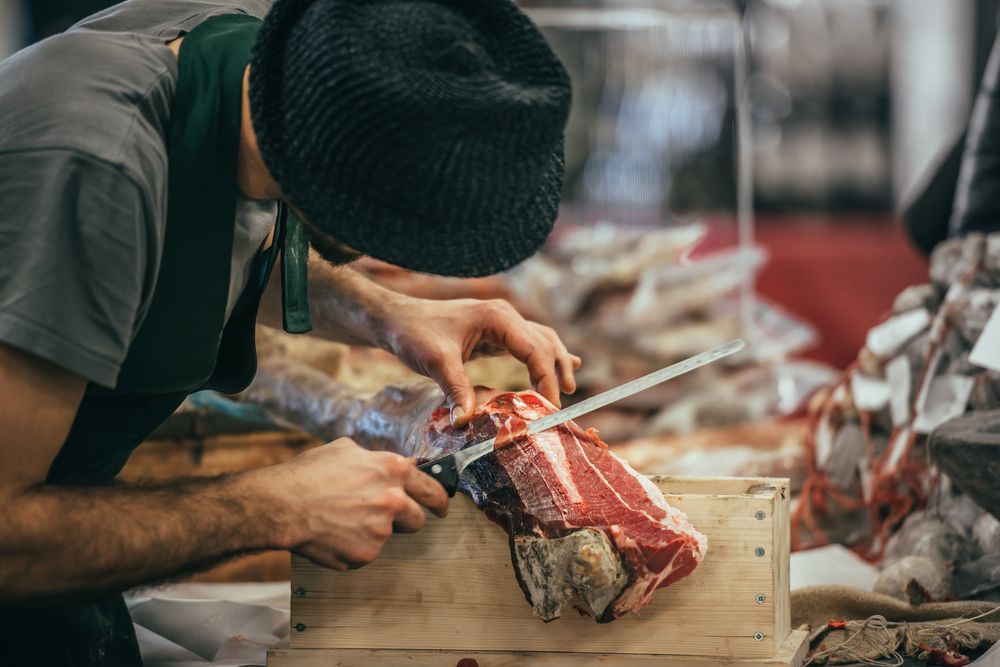
Tasting heritage at a traditional salumeria

A slice of Prosciutto di Parma, a crumble of Parmigiano Reggiano, a glass of wine poured slowly.
This isn’t just a meal — it’s a cultural ritual, passed down through hands, time, and care.

There’s something meditative in how the flavors unfold — subtle, rich, layered.
You don’t just taste the product — you taste the patience, the land, the memory of those who made it possible.

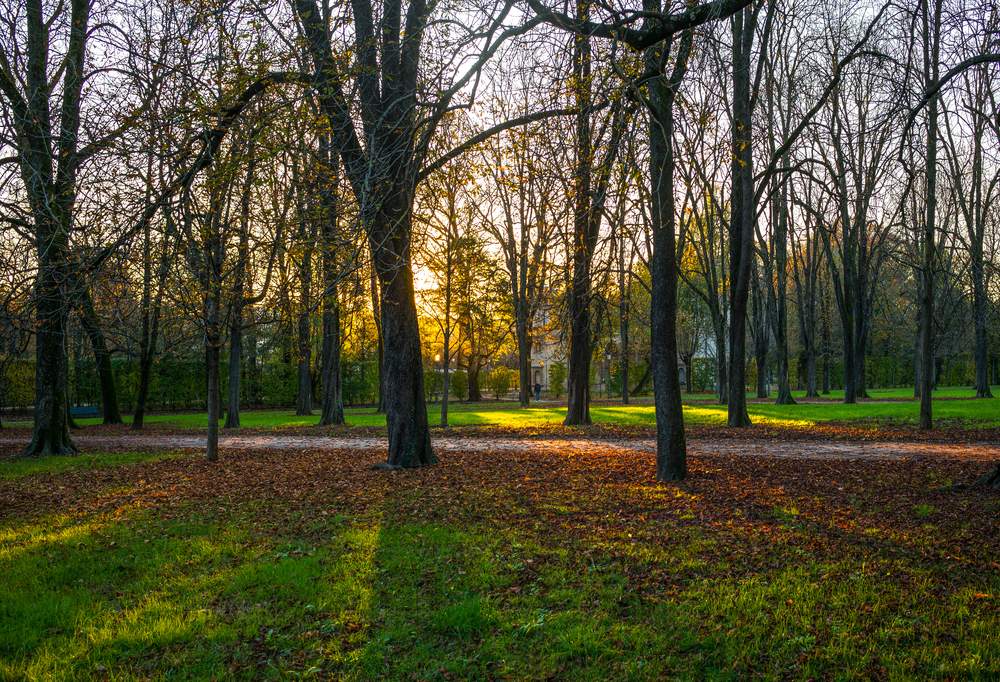
Walking through Parco Ducale at sunset

The garden isn’t grand — it’s graceful.
You walk beneath tall trees and soft golden light, past statues that don’t pose, but watch.

Around you, couples stroll, children play quietly, the city seems to hold its breath.
It’s a space between moments — where nothing happens, and that is the point.

You sit on a bench. You don’t say a word.
And still, you feel more connected to everything.

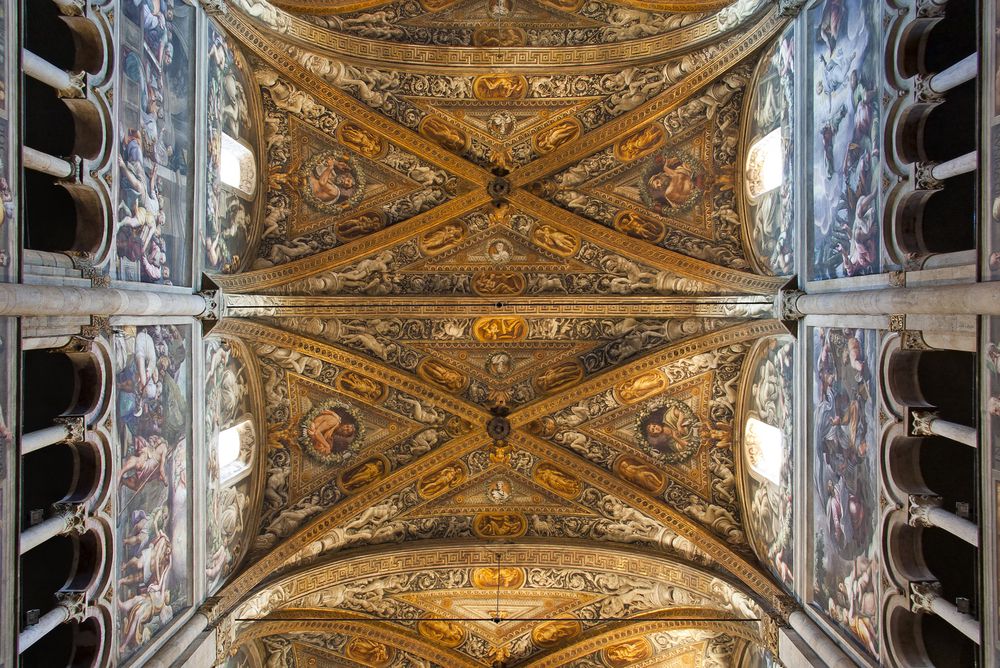
Looking up inside the Cathedral

Outside, it’s simple. Inside, it’s astonishing.
The silence greets you like a hush before revelation.
You look up — and Correggio’s dome opens above you like a celestial theatre.

The painting doesn’t speak — it rises, it floats, it pulls your gaze toward something beyond the walls.
You don’t just see art — you feel the sky moving.

Getting lost in Piazza Ghiaia’s market

Not far from the river, beneath arched galleries and soft shadows, the market comes alive.
Here, Parma shows a different side — one of movement, voices, textures, and scent.

You walk past stalls of fruit and cheese, flowers and linen, shoes and stories.
Nothing is rushed. Everything is real.
It’s not a postcard — it’s life unfolding in small, ordinary beauty.

Stop for a coffee. Listen to the rhythm of exchange, of habit, of morning light settling on baskets.
You don’t need to understand everything —
you only need to be there, fully, in the moment that doesn’t try to impress you… but welcomes you anyway.

Must-See Places

This city doesn’t reveal itself all at once — it opens in layers. If you move slowly, it shows you everything.

Parma isn’t a city that demands your attention — it earns it, gently.
You don’t arrive to be dazzled. You arrive to listen.
It’s a place of details, of quiet textures, of moments you only notice if you’re paying attention:
a scent of yeast in the air, a fragment of music from a half-open window, the way light falls across a stone column just before dusk.

Its landmarks don’t shout — they wait.
Its streets don’t rush — they invite you to linger.
There’s no single monument to define Parma, because Parma is not one image — it’s a composition.

To walk here is to enter a rhythm that’s slower, deeper, and more generous.
Because in Parma, beauty is not rare — it’s simply never in a hurry.
Iconic Landmarks
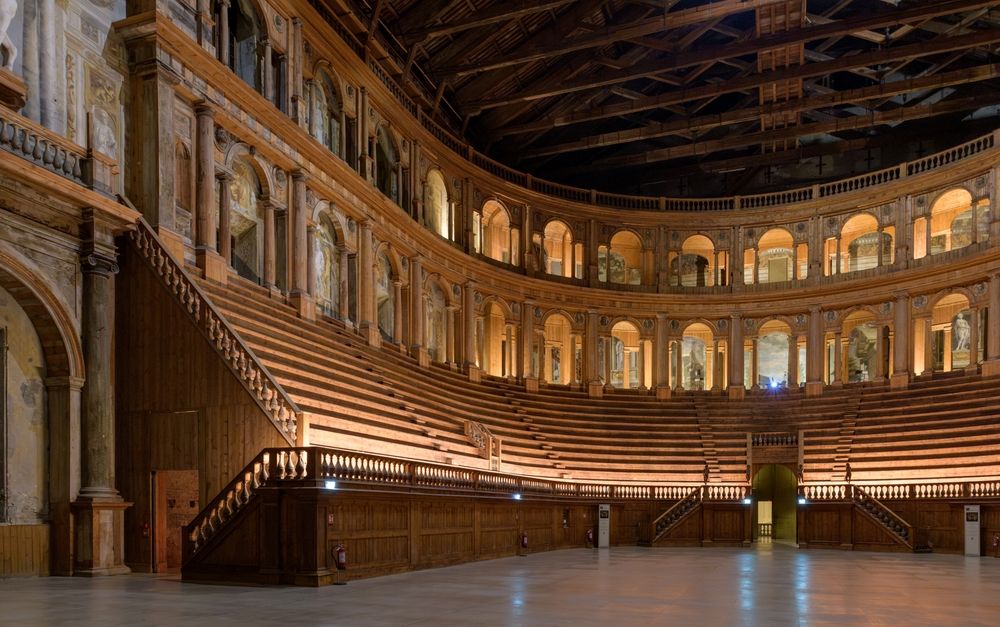
Teatro Farnese

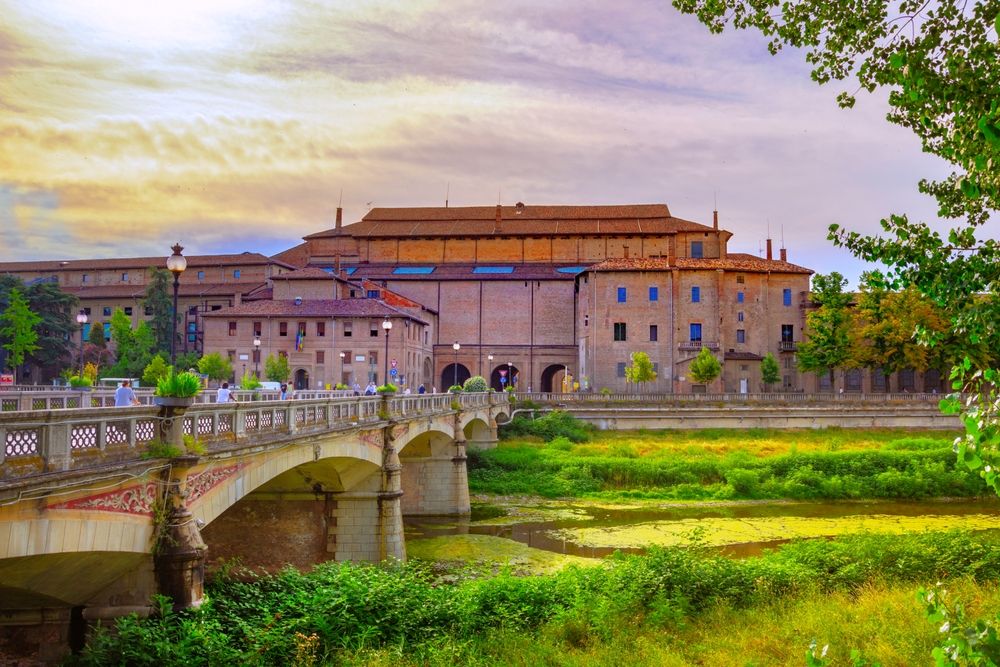
Hidden inside the vast and solemn Palazzo della Pilotta, this wooden theatre from the 1600s feels like stepping inside a dream of quiet majesty.
No velvet, no stage lights — just space, shadow, and architecture that breathes.
It was once almost forgotten, damaged, then rebuilt with devotion. And now, when you walk in, you don’t just see a monument — you step into a preserved moment of imagination.

The curved rows of seats, the high proscenium, the scent of wood: it’s a space that doesn’t ask to be filled.
It simply holds presence. And you are part of it, just by standing still.

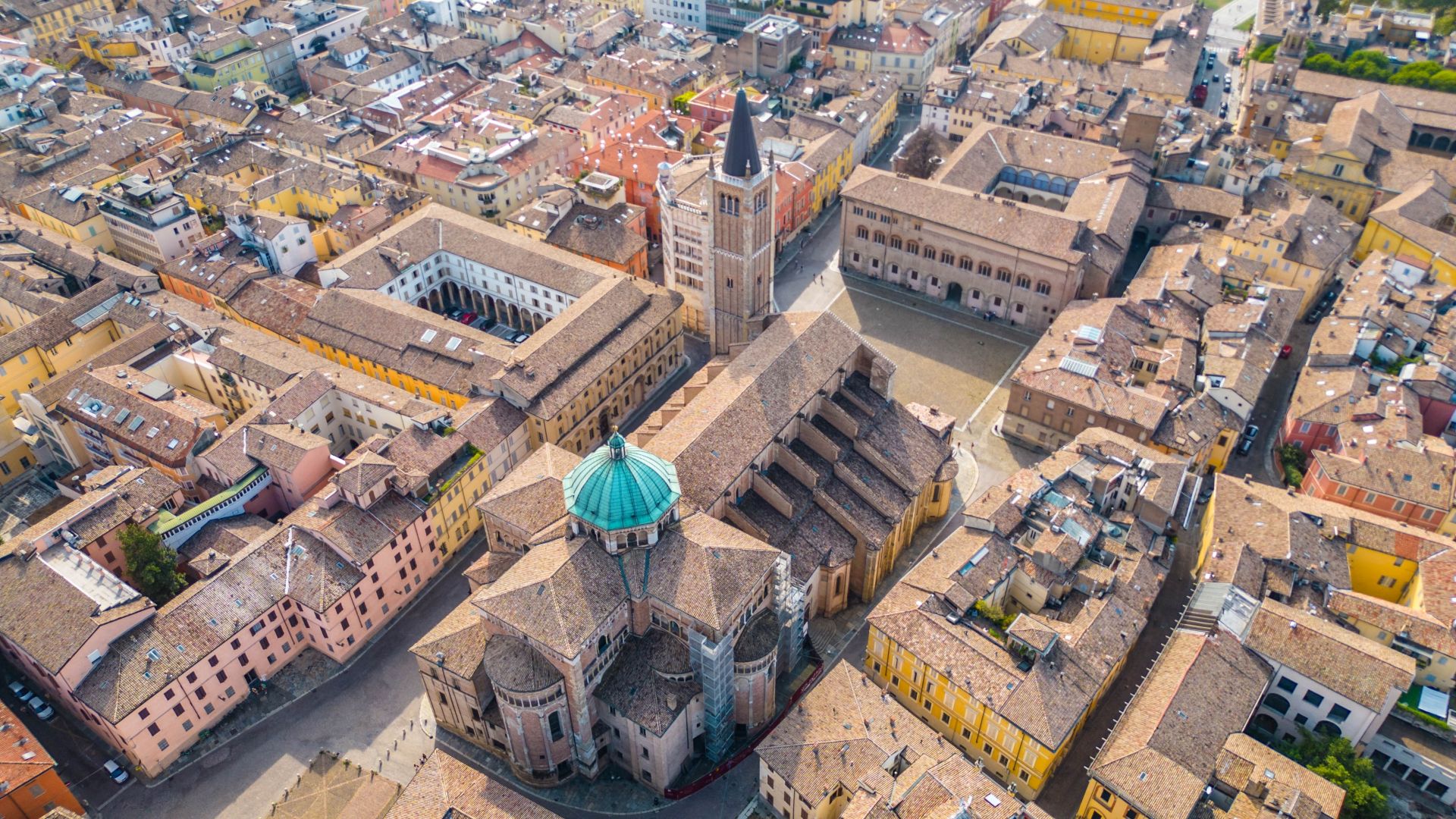
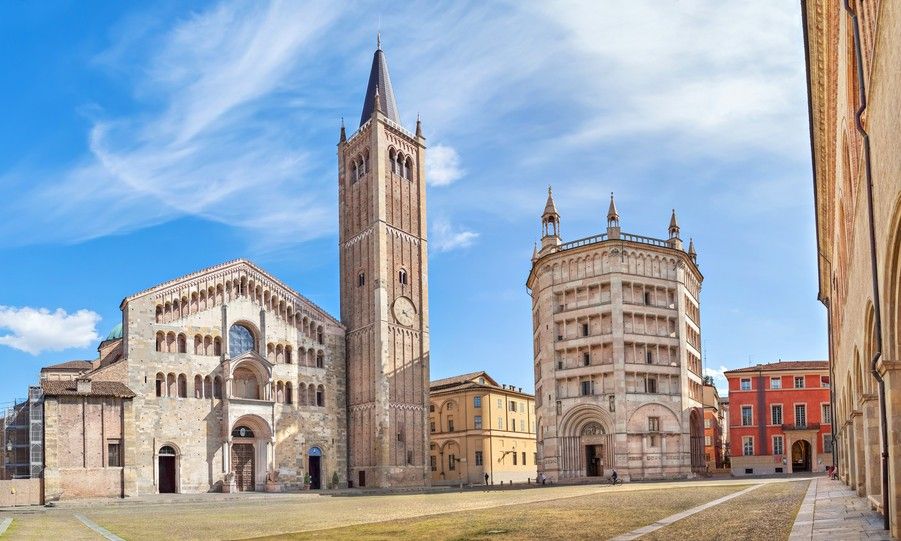
Parma Cathedral and Baptistery

Together, they form a conversation in stone — a dialogue between gravity and grace.
The Cathedral’s Romanesque exterior is simple, quiet. But once inside, the ceiling opens to color, story, and the stillness of centuries.
The dome, painted by Correggio, lifts your gaze without asking.
It doesn’t dazzle — it draws you in, slowly.

Next door, the Baptistery in pink Verona marble is both powerful and gentle.
Octagonal, geometric, luminous.
You don’t need to move much — the space itself moves around you.

Complesso della Pilotta

More than a museum. It’s a city within the city.
Inside, you wander through libraries, galleries, staircases, sculptures, ancient texts, and unfinished thoughts.
It feels like someone opened the past — but didn’t dust it off. And that’s the point.
It’s not designed for speed — it asks you to linger.

You may not understand everything, and that’s okay.
The silence here is part of the experience — it lets you fill in the meaning yourself.

Hidden Corners
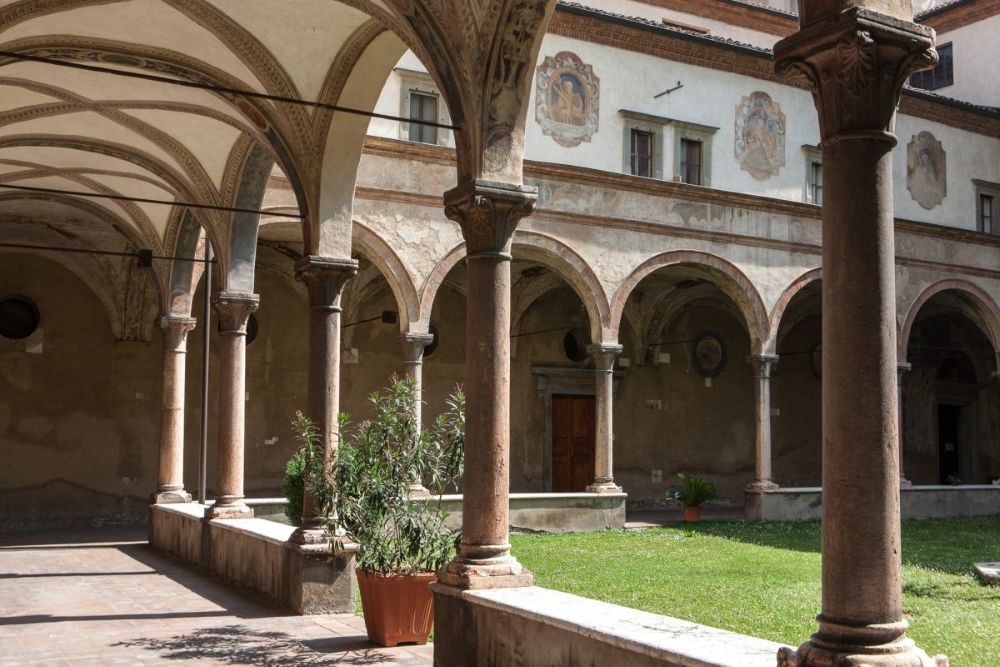
Cloisters of San Giovanni Evangelista

Behind the richly decorated church lies a space almost forgotten by tourists.
Two cloisters, silent and green, where time takes a different shape.
You walk under arches filled with light and air, where herbs grow in quiet order and shadows fall like thoughts.

There’s no noise here — only breath and reflection.
A moment where the sacred feels simple, and simplicity feels sacred.

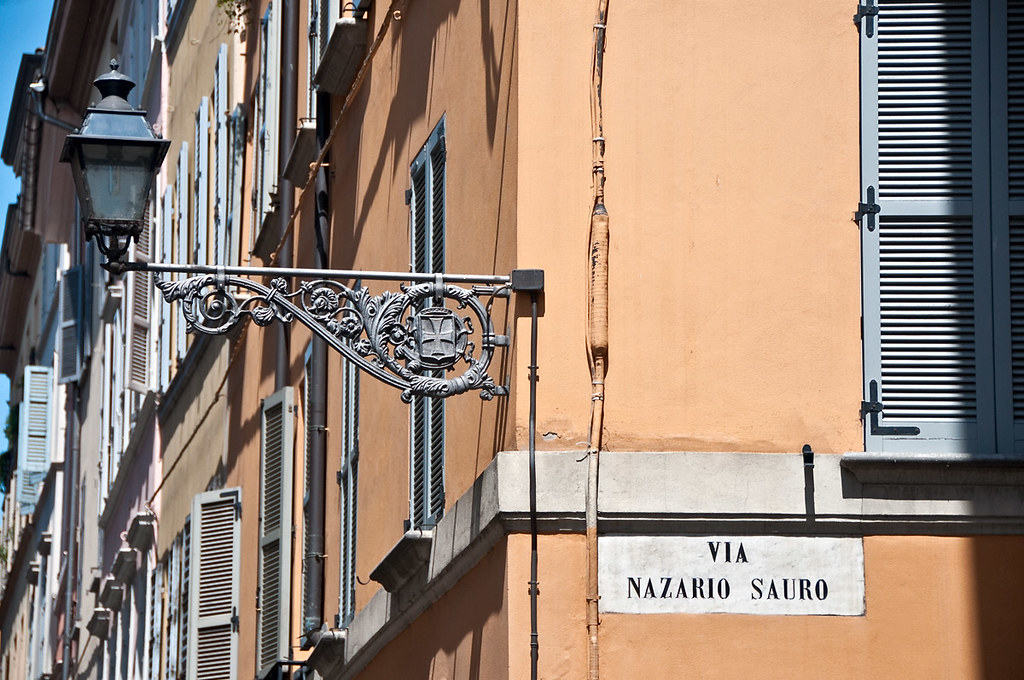
Via Nazario Sauro

A short street, easily missed — but unforgettable once walked.
You pass artisan workshops, flower boxes, faded signs, bicycles leaning on sun-warmed walls.
The street curves slightly, just enough to surprise you.

Each shop has a story. Each window feels like it belongs to someone you haven’t met yet, but already understand.
It’s not famous. That’s why it feels real.

The Botanical Garden of Parma

Just outside the most visited paths, you find a quiet sanctuary of plants, stone benches, and slow time.
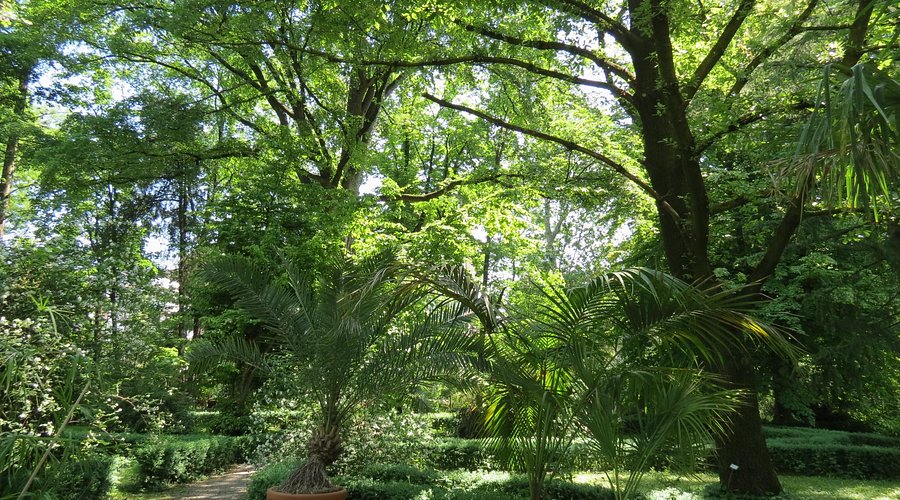
Created in the 18th century, it holds medicinal herbs, greenhouses, and trees that seem to remember everything.

You walk not to see, but to notice.
Not to take a picture — but to stay still for a while.
It’s a garden that doesn’t bloom loudly. It grows inside you.

Beyond the City
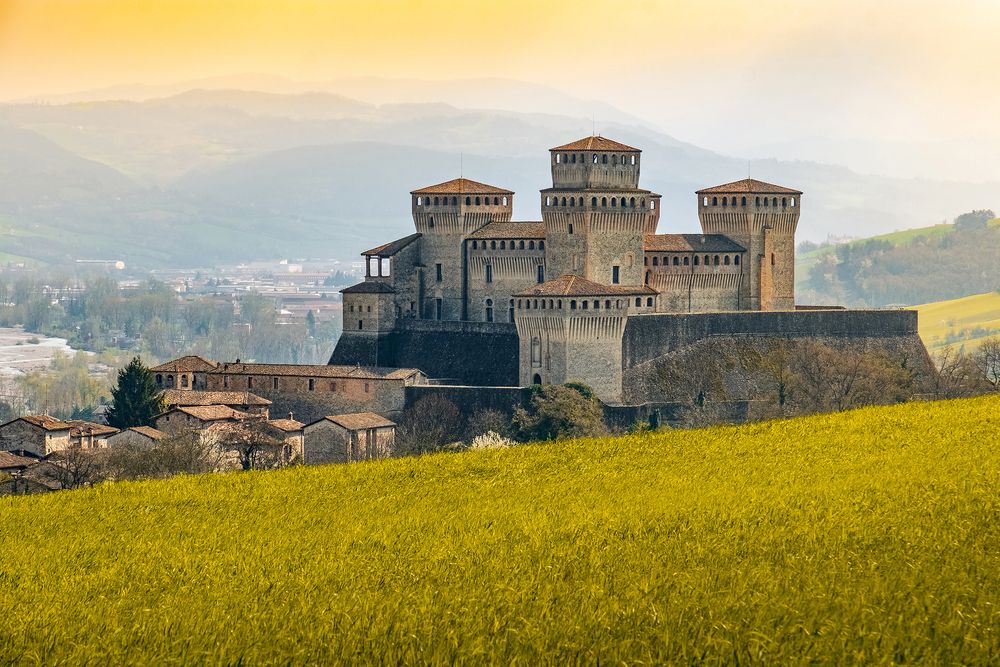
Torrechiara Castle

A short drive from Parma, but centuries away in feeling.
Torrechiara rises from the hills like a painted memory — golden, symmetric, and serene.
Inside, frescoes speak of courtly love and noble silence. Outside, the view rolls endlessly across vineyards and valleys.

You don’t just visit a castle — you step into a romantic geometry of stone, sky, and light.
Everything here was built to last — not just physically, but emotionally.

Busseto – In the footsteps of Verdi

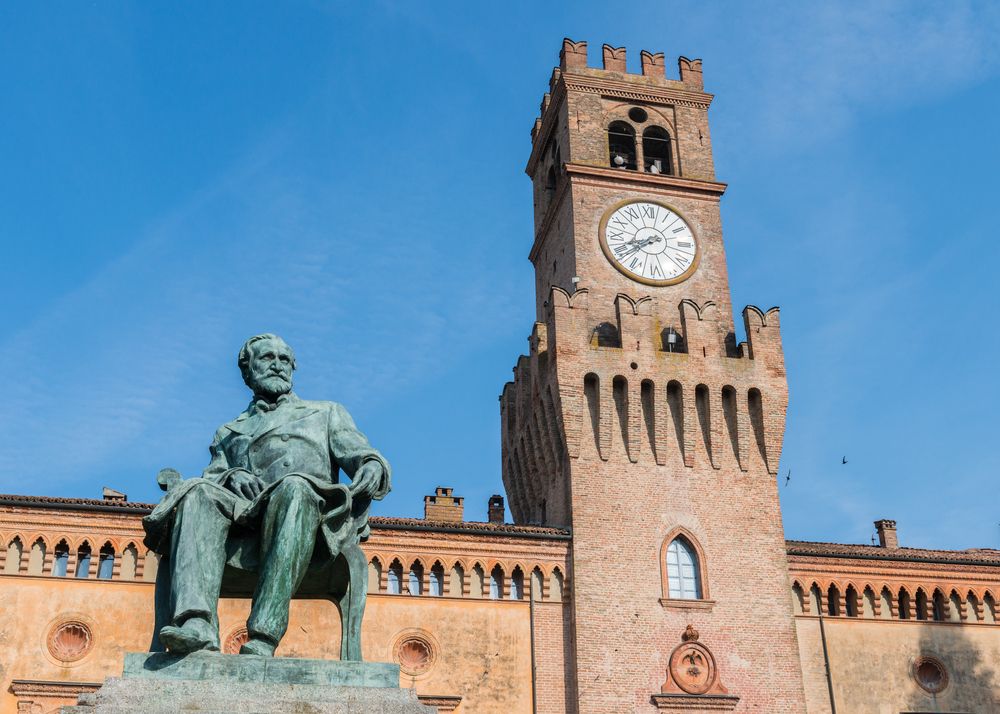
In this small, graceful town, Giuseppe Verdi is not just remembered — he’s still heard.
His birth house, the theatre, the museum — all speak softly of music, legacy, and landscape.

You walk the same streets he once walked.
And whether you’re an opera lover or not, something lingers:
a sense of discipline, of roots, of melody hidden in silence.

Langhirano – Where prosciutto becomes landscape

In Langhirano, food is not just tradition — it’s architecture, it’s air, it’s time.
Nestled in the gentle folds of the Parma hills, this small town is the spiritual home of Prosciutto di Parma.

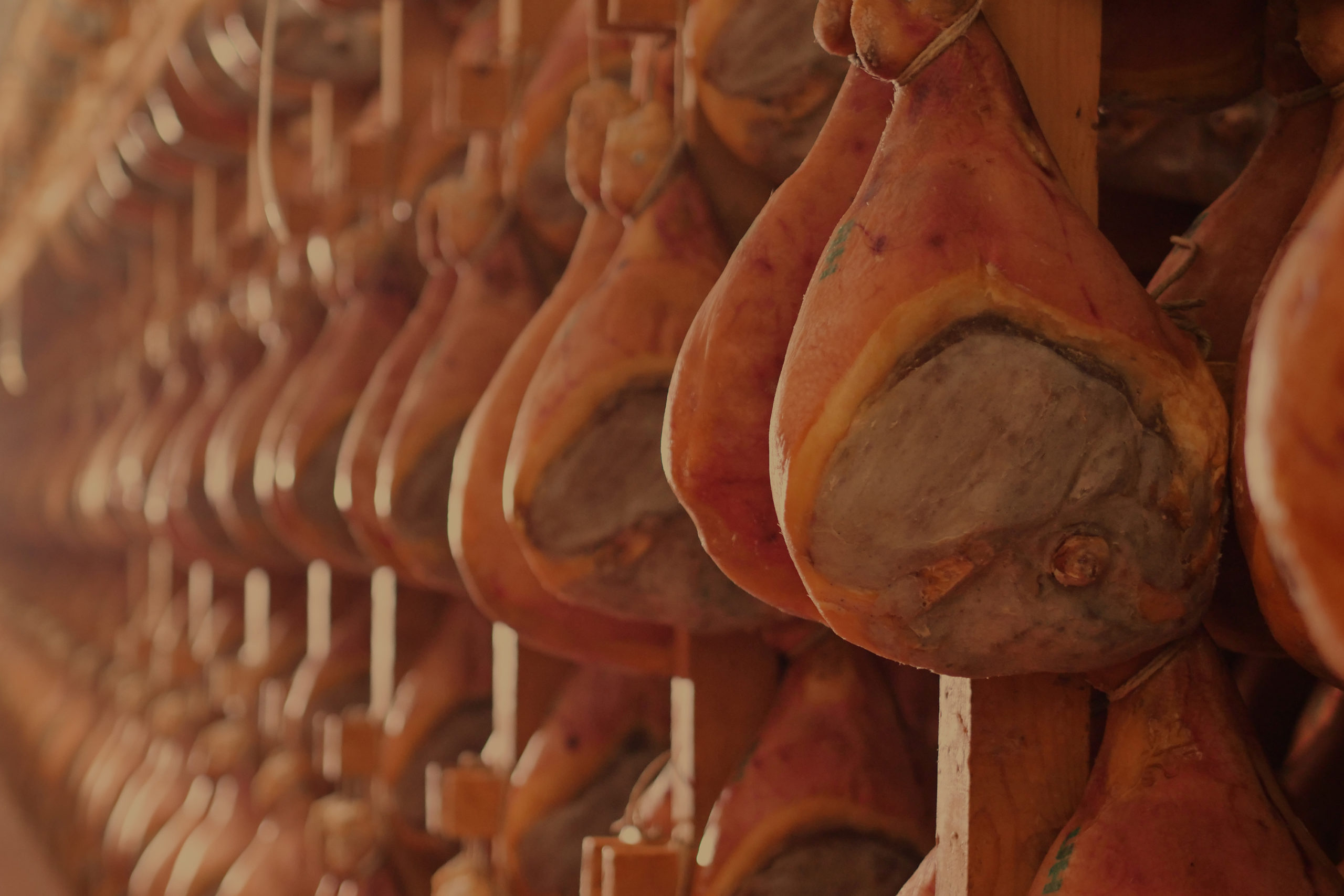
You enter a prosciuttificio and find yourself in a place where the silence smells like aging meat and oak beams.
Rows upon rows of hanging hams, each one waiting, breathing, becoming.
Here, salt and breeze do their quiet work.

Outside, the valley stretches golden under the sky.
Inside, you learn that taste is a process — and flavor is just the final step in a much longer story.

Parmigiano Reggiano dairy experience

To watch Parmigiano Reggiano being made is to witness time slowed down into purpose.
Milk becomes history. Fire becomes form. The hands of the casaro become memory.

You see every step: slow, exact, quiet.
You taste not just a cheese, but the air, the patience, the generations that came before.

It’s not a tasting — it’s a ceremony.
And it stays with you, long after the flavor has faded.

Hoop On & Parma

More than a stop — a still point of elegance

In the flow of your Hoop On journey, Parma isn’t a place you rush through — it’s a place where you pause and realign.

After cities that pulse with energy and movement, Parma offers a different rhythm.
Here, beauty is quiet. Taste is memory. History is personal.
Whether you arrive from Verona or Milan, whether you stay for a night or a few hours, Parma gives you something that’s harder to find elsewhere: depth.

You won’t leave with dozens of photos — but maybe just one that matters.
You won’t remember just what you saw — but how you felt walking between silence and grace.

With Hoop On, Parma becomes not just a stop along the way,
but a place that shapes the way you continue.


Where can Hoop On take you from Parma?

Between melody and motion, two ways to continue

From Parma, the journey flows in two distinct directions — and both are rich in beauty, contrast, and emotion.

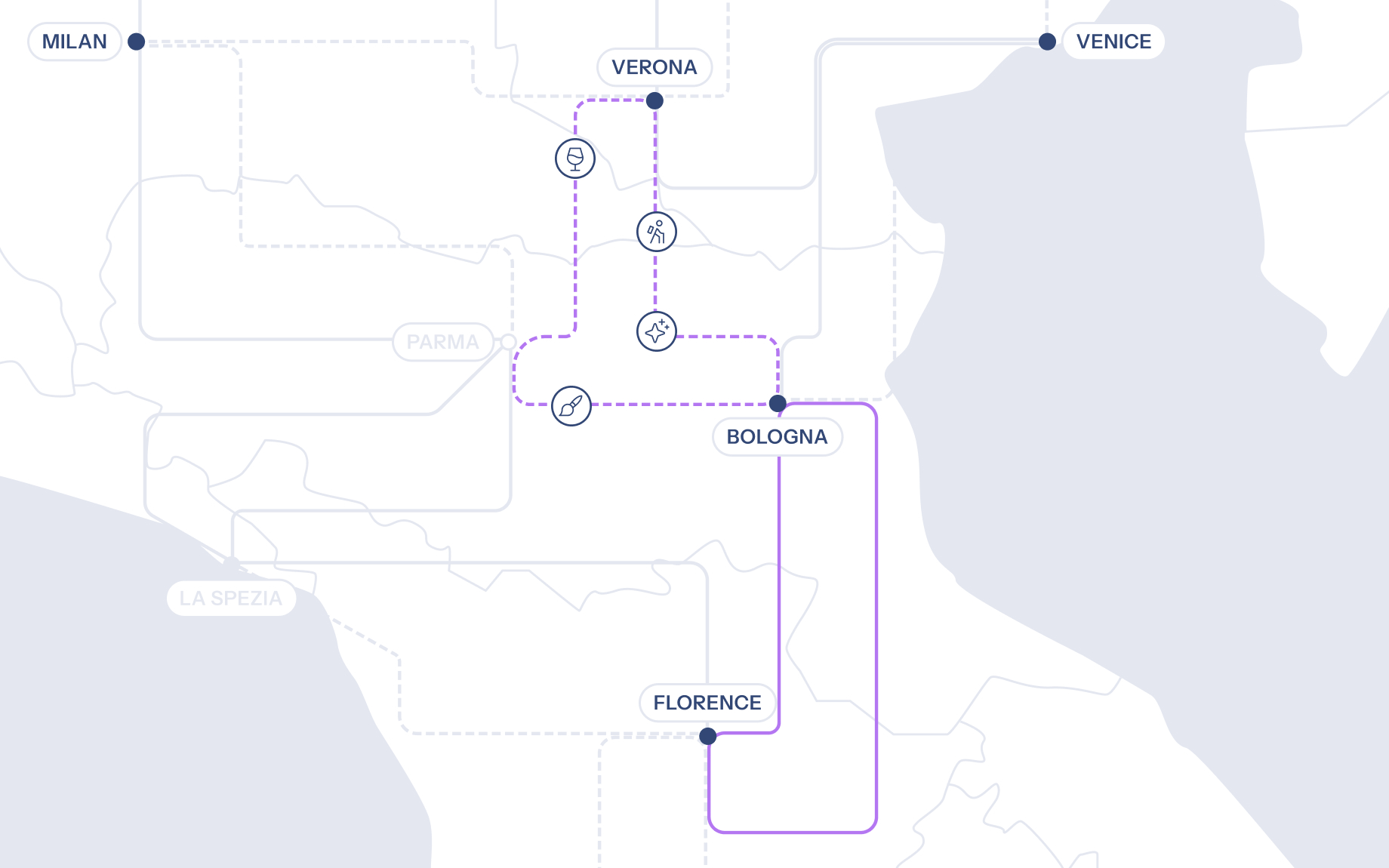
With the Purple Line, you head east toward Bologna, passing through landscapes of flavor, tradition, and quiet elegance.
It’s a road where every curve tells a story — and the destination is a city that vibrates with culture, towers, and timeless cuisine.

With the Red Line, you travel north to Milan or south to La Spezia and Florence, tracing a path that blends art, coastlines, and the elegance of movement itself.
You pass from countryside to coast, from squares to skylines, from stillness to stride.

Parma is not the beginning or the end.
It’s the hinge — the soft turning point that lets your journey open in two poetic directions.
🟣 Purple Line

A route shaped by layers of culture, craft, and quiet passion

As you leave Parma heading east, the journey unfolds through landscapes rich in stories and balance.
You pass slow hills, timeless villages, and cities that carry history in every stone.

The destination is Bologna — vibrant, vertical, and full of soul.
But the road itself is part of the experience: a passage through the flavors, silences, and colors of northern Emilia, where the journey feels as carefully composed as a piece of chamber music.
Pick Your Route, Book Your Pass, Go
TRAVEL PASS
🟣 Parma → Florence (via Bologna)
BOOK NOW

🔴 Red Line

From land to skyline, from stillness to sea

Traveling north, you follow a path toward Milan, where modern life rises from ancient roots.
The rhythm quickens, the light sharpens, and the city greets you with contrast and ambition.

Heading south, the Red Line flows toward the coast — through valleys and golden curves — before reaching La Spezia and the Cinque Terre.
And from there, onward to Florence, where beauty waits in every perspective.

From Parma, you can go in either direction —
but both will carry something of this place with them: its calm, its grace, its quiet clarity.

Ready to Hit the Road?
TRAVEL PASS
🔴 Parma → La Spezia (Cinque Terre)
BOOK NOW
TRAVEL PASS
🔴 Parma → Firenze (via La Spezia - Cinque Terre)
BOOK NOW